

A woman applies sunscreen to her bare shoulder; one way of reducing oxidative stress.

How to Avoid Oxidative Stress

How to Avoid Oxidative Stress Quick facts: A normal biological process, oxidative stress can’t be entirely prevented, but we can reduce exposure and limit its effects. This can involve: Oxidative stress may sound alarming, but it’s a normal biological process that occurs in the body every day. It develops when there’s an imbalance between free…


A man lies asleep at night, wearing an eye mask to create a good sleep environment.

How to improve sleep health

How to improve sleep health Quick facts: Better quality sleep is usually influenced by everyday habits and routines, though sometimes medical intervention is needed. Key tips to improve your sleep include: Many of us go through periods where sleep doesn’t come as easily as we would like. Busy schedules, stress, screen exposure and irregular routines…

A young man drinks from a metal water bottle while out and about in summer.

How to stay hydrated

How to stay hydrated Quick facts: Staying well hydrated is essential for supporting energy levels, digestion, temperature regulation and overall wellbeing. Many people don’t realise they’re not drinking enough fluids throughout the day. To support healthy hydration, it helps to: Despite being such an essential part of our health, hydration is something many people don’t…

A young woman holds her forehead in her hand, feeling a headache from dehydration.

How to treat dehydration

How to treat dehydration Quick facts: Dehydration can cause symptoms such as headaches, fatigue and dizziness, but there are simple ways to help manage it safely at home. Key steps include: In some cases, over-the-counter pain relief can help to ease discomfort. If symptoms persist or get worse, seek medical advice. It’s always best to…

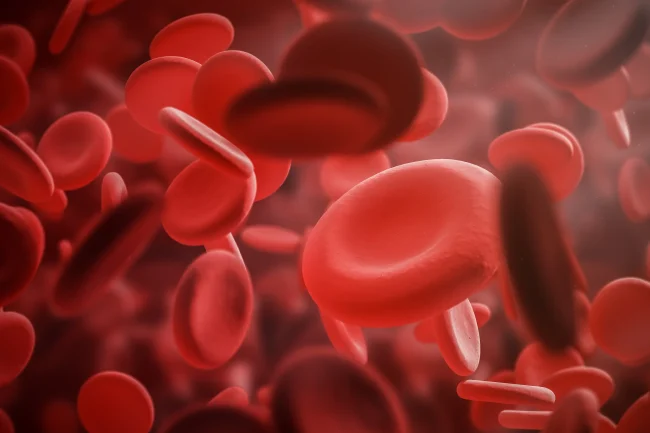
Medical concept depicting healthy red blood cells in the bloodstream.

What Does Anaemia Mean?

What Does Anaemia Mean? Quick facts: Anaemia is not a single condition but a broad term used to describe a range of disorders that affect the blood’s ability to carry oxygen around the body. While iron deficiency anaemia is the most common form, other types include pernicious anaemia, folate deficiency anaemia, sickle cell anaemia and…

Small, round, pink tablets spill onto a blue surface, spelling out ‘B12’.

What is Pernicious Anaemia?

What is Pernicious Anaemia? Quick facts: Pernicious anaemia is an autoimmune condition that affects the body’s ability to absorb enough vitamin B12 from food. Symptoms are similar to other forms of anaemia, including dizziness, weakness and fatigue, while treatments differ in that they focus on supplementing B12 levels rather than iron. Never self-diagnose with pernicious…