
Are Selenium Supplements Beneficial?
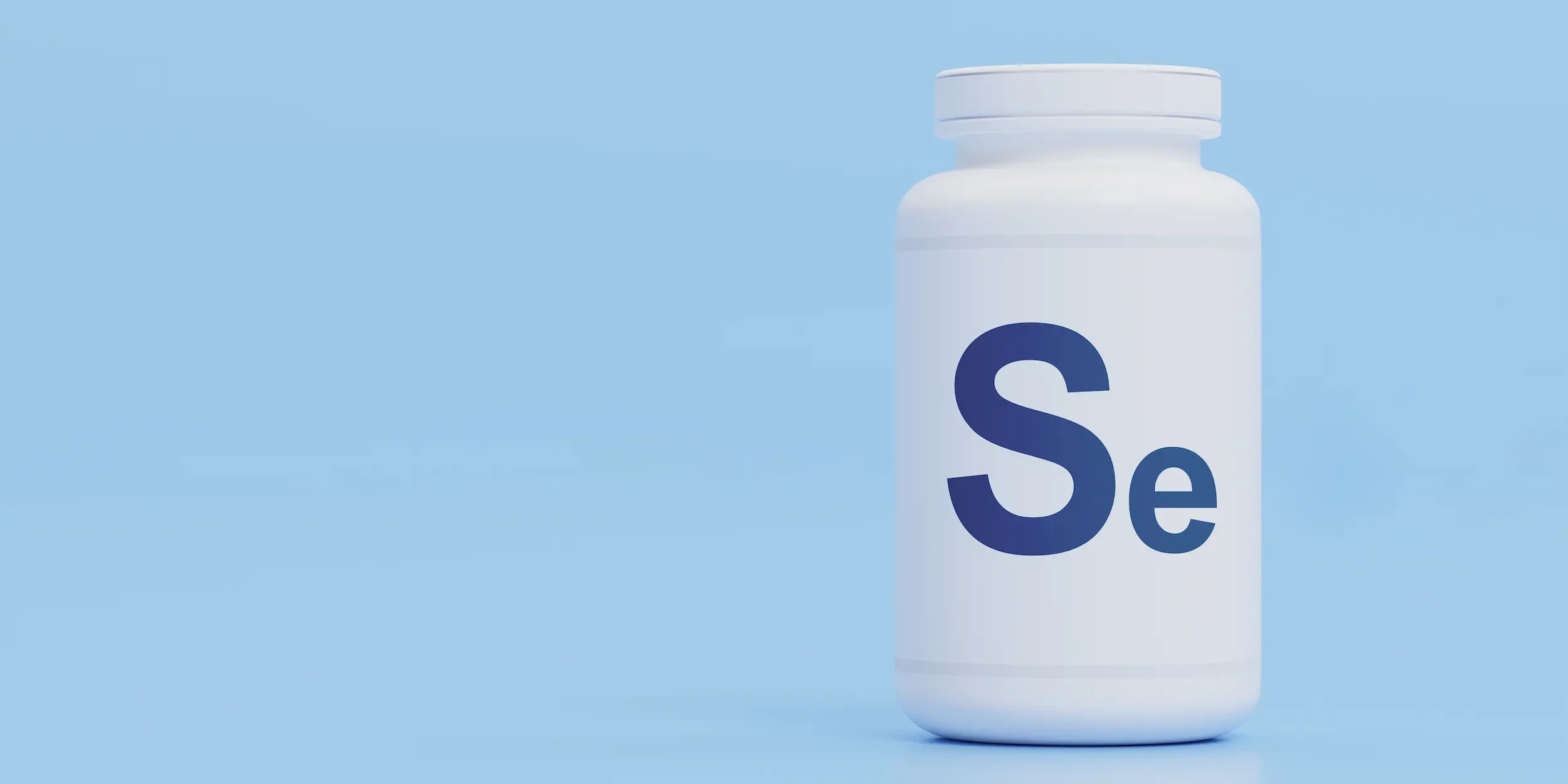
Selenium is an essential trace mineral, which means that the body requires it in small amounts to carry out vital biological functions.1 Most people can get enough selenium through a healthy, balanced diet. Rich sources include Brazil nuts, seafood, whole grains and certain meats.2
However, many factors can influence your selenium intake. These include soil quality and geographic location because the amount of selenium found in your food depends on the amount in the soil it was grown in – or, in the case of animal products, the selenium content in the food the animal ate.
It’s also true that medical conditions and specific dietary restrictions can affect how much selenium you consume and absorb. Because of these variables, supplementation can be a helpful tool. Supplements can help to ensure consistent, adequate selenium levels if you’re not already getting enough from your diet.
Not sure whether you want to try selenium supplements? Part of your decision should be based on understanding the health benefits of maintaining appropriate selenium levels. Below, we discuss some of the biggest benefits to help you understand why selenium is so essential to your overall wellbeing.
Why is selenium good for you?
As mentioned, selenium is only needed in trace amounts. Despite this, it holds key importance for the functioning of several major bodily systems. Antioxidant defence system and immune system leans on
When you consume enough selenium, your body uses it to form part of special proteins. These selenoproteins are responsible for many of selenium’s health-boosting activities, including…
Antioxidant activity
Selenium’s most widely recognised role is its essential contribution to the body’s natural antioxidant defence system. It’s a key component of some powerful antioxidant enzymes.
One example is glutathione peroxidase. These enzymes function like cellular protectors. They constantly neutralise harmful substances known as free radicals. Free radicals are unstable molecules generated by normal metabolic processes and environmental stressors like pollution. If left unchecked, they cause oxidative stress. This process damages cells and DNA over time and can contribute to aging. By efficiently protecting cells from oxidative stress, selenium helps safeguard cellular integrity, helping to promote long-term health and assist in overall recovery.
Thyroid function
Selenium is vital for the proper functioning of the thyroid gland. This small but powerful gland regulates metabolism, energy levels and body temperature.
The highest concentration of selenium in the body is found in the thyroid tissue. This is due to selenoproteins being vital for the metabolism of thyroid hormones. Specifically, these selenoproteins help convert the inactive thyroid hormone (T4) into its active form (T3), which the body uses for energy regulation.
Without the right amount of selenium, this conversion process can become inefficient. This may potentially impact thyroid balance. Therefore, maintaining healthy selenium levels is critical for the optimal production and utilisation of these powerful regulatory hormones.
Immune support
A robust immune system relies heavily on micronutrients to function effectively, and selenium is a crucial player. Protective antioxidant of selenium activity helps prevent damage to immune cells themselves. This keeps the entire defence system strong and responsive. Consistent selenium intake is foundational to maintaining normal immune function throughout the year.
Adequate levels of selenium are needed for the development and proper functioning of immune cells, including T-cells and natural killer (NK) cells. By supporting the production and activity of these cells, selenium helps the body to mount an effective immune response against infection.
Furthermore, its protective antioxidant activity helps prevent damage to immune cells themselves, helping to keep the entire defence system strong and responsive. Consistent selenium intake is crucial to maintaining normal immune function throughout the year.
Hair and nails
Structural tissues like hair and nails require essential minerals like selenium for strength and support.
Hair and nails are primarily made of a specific protein called keratin. Any mineral that supports protein synthesis and cellular upkeep – like selenium – helps to maintain structures like these within the body. Insufficient levels of selenium can sometimes be linked to changes in the structure or quality of hair and nails. This underscores selenium’s role in maintaining outward signs of good health.
Spermatogenesis
For men, selenium plays a highly specific and critical role in reproductive health; it supports normal spermatogenesis, which is the process of producing mature, functional sperm. This development phase is sensitive to biological stress and requires consistent nutrient support. Ensuring adequate selenium intake helps protect sperm cells during their formation, supporting their overall viability and quality.
Selenoproteins are crucial components of the sperm structure, found especially in the mid-piece of the sperm tail. This section is responsible for motility (the sperm’s ability to move). Without adequate selenium, the structural integrity of sperm can be compromised, which could potentially lead to reduced motility. In turn, reduced motility could lead to problems conceiving, which is why selenium is so important for men’s fertility and reproductive health.
Making Selenium Work for You
Selenium is undeniably a powerful trace mineral. It offers specialised benefits for the thyroid and men’s reproductive health. It also maintains fundamental roles as an antioxidant and immune supporter. Dietary sources are primary. However, factors affecting absorption may mean supplementation is a valuable option.
If you’re considering adding a selenium supplement to your health routine, always follow the recommended dosage on the product label. If you have any underlying health concerns, fertility questions or are taking medication, please consult a healthcare professional for personalised advice.
References
- Scientific Opinion on the substantiation of health claims related to selenium and the maintenance of normal hair, nails, and thyroid function, and the protection of cells from oxidative stress. EFSA Panel on Dietetic Products, Nutrition and Allergies (NDA), EFSA Journal, 2014; 12(10):3702.
- Selenium: Fact Sheet for Health Professionals. National Institutes of Health (NIH), Office of Dietary Supplements (ODS).
- Selenium and oxidative stress. Schomburg, L. Nutrients, 2011; 3(7): 706–716.
- The role of selenium in thyroid disorders. Duntas, L. H. European Thyroid Journal, 2015; 4(3): 143–149.
- Selenium and the immune system: what we have learned from animal models. Hoffmann, P. R., & Berry, M. J. Seminars in Immunology, 2008; 20(3): 113-120.
