



The Wellness Playbook: Simple Steps to Preventative Health
From skincare to herbal tea to supplements, preventative wellness is a hot topic in the UK right now, especially on social media. But supplementation isn’t just about trends – it reflects a growing recognition of the role vitamins and minerals play in supporting long-term health. As new discoveries are made every day, we’re learning more about how targeted nutrients can enhance wellbeing, prevent deficiencies and complement a balanced lifestyle.
This shift towards prevention is echoed at a national level. The NHS 10 Year Plan for England puts a strong focus on shifting from treating illness to preventing it. The aim is to reduce health inequalities and catch the early signs of poor health. To support this, the plan includes a range of initiatives including lung cancer screenings, mental health support in schools and incentives to encourage healthier lifestyle choices.
So where do vitamins and supplements fit in? Simply put, they provide essential nutrients that support your body’s functions. But with so many choices available, it’s hard to know which is most beneficial for you. Nutraxin is here to cut through the noise and outline a clear, practical approach to preventative wellness – one that complements a balanced diet and healthy lifestyle, rather than replaces them.
Decoding deficiencies
Your nutrient requirements depend on a number of factors, such as your age, gender, life stage and even where you live. For example, the UK government recommends taking vitamin D supplements during winter months due to the lack of sunlight.
To identify potential nutritional deficiencies, it can be helpful to monitor your specific symptoms. As each vitamin or mineral plays a specific role in your body, imbalances can affect your body in different ways. For example:
- Vitamin B12 and Folate (B9)
Vitamin B12 contributes to the normal functioning of the nervous system and normal red blood cell formation. Folate contributes to normal blood formation, normal psychological function, and maternal tissue growth during pregnancy.
- Vitamin D
Vitamin D helps to regulate calcium and phosphate, which are both essential for bone, teeth and muscle health. Low levels of vitamin D may result in bone pain, muscle weakness and fatigue.
- Iron
Iron is key in making red blood cells that transport oxygen around the body. If you don’t get enough iron, you may experience lack of energy, shortness of breath, heart palpitations and paler skin.
- Calcium
You need calcium to help build bones, keep teeth healthy, and make sure blood clots normally. A calcium deficiency can cause muscle spasms, brittle nails and long-term bone density issues such as osteoporosis.
Goal-orientated nutrition
Each vitamin and mineral has a specific physiological role in the body’s normal functions.
- Vitamin A is involved in protecting immune cells and maintaining healthy mucous membranes – your body’s first barrier against infection.
- Fibre, from sources such as fruits, vegetables, and whole grains, is a key component of a balanced diet.
- Magnesium, Vitamin B6, B12, Folate, Niacin and Biotin all contribute to normal psychological function.
- Vitamin B12, B6, Niacin, Folate, Pantothenic Acid and Riboflavin all contribute to the reduction of tiredness and fatigue.
- Biotin and Zinc contribute to the maintenance of normal hair and skin.
 Lifestage needs
Your nutrient requirements can be affected by a number of factors and one of those is your current stage of life. Depending on your age, you may need to adjust the vitamins and minerals you take.
For the first four to six months of a baby’s life, all the nutrients they need to grow and develop can be found in breast milk or infant formula. When weaning, a baby’s diet should include plenty of iron to meet their developmental needs.
Children grow rapidly meaning they need the correct amount of nutrients to meet their energy requirements, such as:
- Calcium and vitamin D for bone development
- Essential fatty acids are needed for normal growth and development in children
- Vitamins A and C contribute to the normal function of the immune system.
Adolescents experience significant physical, hormonal, and emotional changes. Calcium, vitamin D and omega 3 remain important in addition to the following nutrients:
- Vitamin B6 and B12 to maintain energy levels and reduce fatigue
- Zinc contributes to the maintenance of normal skin
- Iron for energy production, especially important for girls as iron levels can decrease during menstruation.
Young adults are often juggling busy lifestyles which can lead to irregular eating habits, stress and fatigue. Much like teenagers, vitamin D and iron remain important. You may also want to consider the following:
- Magnesium and vitamin B6 contribute to the normal functioning of the nervous system and normal psychological function.
For those who are pregnant or planning a pregnancy, your body has an increased need for a range of key nutrients to support both you and your baby’s development, such as:
- Folic acid contributes to maternal tissue growth during pregnancy
- Iron contributes to normal oxygen transport in the body
- Vitamin D contributes to the normal absorption/utilisation of calcium and phosphorus
- Omega-3s (DHA) contribute to the maintenance of normal brain function and normal vision (the beneficial effect is obtained with a daily intake of 250 mg of DHA).
Middle-aged adults may start to notice shifts in metabolism, hormonal balance, and joint and bone health. Key nutrients for this age group include:
- Vitamin D and calcium to maintain bone density
- Vitamin K contributes to normal blood clotting and the maintenance of normal bones
- Magnesium to maintain muscle and nerve function
- Chromium to help regulate blood sugar levels.
As women reach a new stage of life, their nutritional needs change to support their bodies. Key nutrients during this stage include:
- Calcium and Vitamin D help to reduce the loss of bone mineral in post-menopausal women. (Low bone mineral density is a risk factor for osteoporotic bone fractures). These beneficial effects are for women over 50, experienced with a daily intake of 1,200 mg of calcium and 20 μg of vitamin D.
- Magnesium contributes to a reduction of tiredness and fatigue and normal psychological function
- Omega-3s (EPA and DHA) contribute to the normal function of the heart (the beneficial effect of omega-3s is obtained with a daily intake of 250 mg of EPA and DHA).
Seniors tend to experience reduced nutrient absorption, meaning that getting the right amount of nutrients is essential. Important nutrients include:
- Vitamin B12 to support normal psychological function and red blood cell production
- Calcium and vitamin D help to reduce the loss of bone mineral in post-menopausal women
- Omega-3 fatty acids to help maintain normal heart function
- Vitamins C and E contribute to the protection of cells from oxidative stress.
Beyond supplements
Dietary supplements don’t provide the same nutritional benefit a varied, balanced diet does and they’re not intended to replace it. Instead, they can top up on nutrients you may be missing and work alongside a healthy lifestyle.
A healthy lifestyle doesn’t just include your diet. NHS guidelines recommend taking a holistic approach that addresses five different areas:
- Eat a balanced diet
A healthy diet doesn’t mean cutting out any food groups. Instead, you should eat a variety of food in the right proportions, including:
-
- At least five portions of fruit and vegetables a day
- Plenty of starchy foods, preferably wholegrain or wholewheat
- Some dairy or dairy alternative milk and foods
- Some protein, whether from beans, pulses, eggs, fish or meat
- At least two portions of fish a week, including one portion of oily fish
- Unsaturated spreads and oils
- Only small amounts of food high in salt, sugar and fat.
- Stay hydrated
Make sure you drink six to eight glasses of fluid per day, which is equivalent to 1.5 to 2 litres. As well as water, fluids can also include lower-fat milk and sugar-free drinks such as tea and coffee. This is only a guideline though, and you may need to drink more than this if you’re pregnant, in a hot environment, physically active or unwell.
- Exercise regularly
To stay fit, adults should do physical activity every day. It’s recommended to do at least 150 minutes of moderate or 75 minutes of vigorous intensity activity a week and strengthening activities at least two days per week.
- Manage stress
Stress can have a big impact on your mental and physical wellbeing. To manage your stress levels, the NHS recommends the following:
-
- Try out self-help CBT techniques
- Talk to friends, family or colleagues, or contact a helpline
- Do regular physical activity
- List what you’re grateful for everyday
- Break large tasks into smaller, more manageable chunks
- Plan ahead for stressful days or events so you feel prepared
- Contact your GP if stress is affecting your daily life.
- Sleep well
Adults need around eight hours of sleep each night. To get good quality sleep, it’s recommended that you go to bed and wake up at the same time everyday, avoid taking naps and take time to relax before bed.
Preventative health is about consistency. Small daily choices, when sustained over time, can make a big difference to your overall wellbeing. Supplements can help you bridge nutritional gaps and support specific goals, but they work best when used as part of a larger, proactive approach to leading a healthy lifestyle.
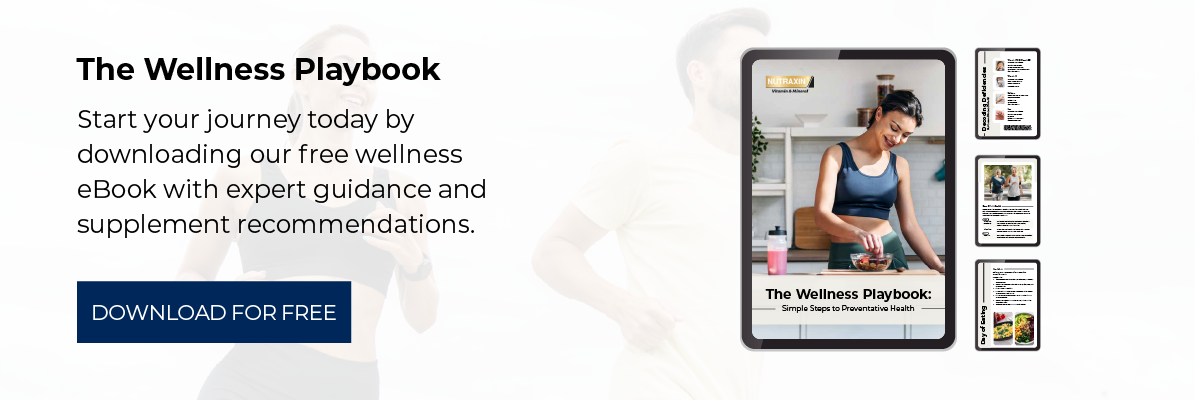
Start your journey today by downloading Nutraxin’s free wellness eBook with expert guidance and supplement recommendations.
 Sources
All health claims:
Intro:
- https://www.longtermplan.nhs.uk/
https://assets.publishing.service.gov.uk/media/686639056569be0acf74db89/fit-for-the-future-10-year-health-plan-for-england-executive-summary.pdf
https://www.england.nhs.uk/ourwork/prevention/about-prevention-programme/
Decoding Deficiencies:
- https://www.nhs.uk/conditions/vitamins-and-minerals/
- https://www.nhs.uk/conditions/vitamins-and-minerals/vitamin-d/
- https://www.nhsinform.scot/illnesses-and-conditions/nutritional/iron-deficiency-anaemia/
- https://www.nhs.uk/conditions/vitamin-b12-or-folate-deficiency-anaemia/
- https://www.gov.uk/guidance/vitamin-d-deficiency-migrant-health-guide
- https://patient.info/bones-joints-muscles/osteoporosis-leaflet/vitamin-d-deficiency
- https://www.nhs.uk/conditions/vitamins-and-minerals/calcium/
Goal Oriented Nutrition:
- https://www.nhs.uk/pregnancy/keeping-well/vitamins-supplements-and-nutrition/
- https://www.nhs.uk/baby/weaning-and-feeding/what-to-feed-young-children/
- https://www.nhs.uk/start-for-life/baby/weaning/what-to-feed-your-baby/7-to-9-months/
- https://www.nutrition.org.uk/nutritional-information/nutrient-requirements/
- https://gutscharity.org.uk/advice-and-information/health-and-lifestyle/fibre-information/
Lifestage Needs:
- https://www.healthline.com/nutrition/omega-3-for-kids#benefits-for-kids
- https://www.nhs.uk/baby/weaning-and-feeding/vitamins-for-children/
- https://www.vitabiotics.com/blogs/health-areas/nutritional-requirements-for-all-ages
- https://www.acnesupport.org.uk/treatment/zinc/
- https://www.nhs.uk/pregnancy/keeping-well/vitamins-supplements-and-nutrition/
- https://www.diabetes.co.uk/Diabetes-and-Chromium.html
Beyond Supplements:
- https://www.nhs.uk/live-well/eat-well/food-guidelines-and-food-labels/the-eatwell-guide/
- https://www.nhs.uk/live-well/exercise/
- https://www.nhs.uk/live-well/sleep-and-tiredness/
- https://www.nhs.uk/every-mind-matters/mental-health-issues/stress/
- https://www.nhs.uk/live-well/eat-well/how-to-eat-a-balanced-diet/eating-a-balanced-diet/
- https://www.nhs.uk/live-well/eat-well/food-guidelines-and-food-labels/water-drinks-nutrition/
- https://www.nhs.uk/live-well/exercise/physical-activity-guidelines-for-adults-aged-19-to-64/
- https://www.nhs.uk/live-well/sleep-and-tiredness/self-help-tips-to-fight-fatigue/
Related posts

Do Food Supplements Break a Fast?
Do Food Supplements Break a Fast? During a…

Does selenium have side effects?
Does selenium have side effects? It’s completely normal…

How Long Do Magnesium Supplements Take to Work?
How Long Do Magnesium Supplements Take to Work?…

What helps vitamin D absorption?
What helps vitamin D absorption? Vitamin D deficiency…

Do zinc supplements have side effects?
Do zinc supplements have side effects? One of…

Can you overdose on zinc supplements?
Can you overdose on zinc supplements? Taking food…

What are the side effects of taking iron supplements?
What are the side effects of taking iron…

Can anyone take iron supplements?
Can anyone take iron supplements? Many of us…
