
Can Anyone Take Vitamin E?
Vitamin E supplementation can be a great way to support your overall wellbeing, since its antioxidant activity combats oxidative stress in your cells – but not everyone reacts to supplements in the same way.
If you have an existing medical condition, take regular medication or are at a particular life stage such as pregnancy, it’s worth taking the time to find out whether a supplement is truly safe for you. Like all supplements, vitamin E can be beneficial when used appropriately, but it’s not suitable for everyone.
This guide explains who can generally take vitamin E safely, who should be more cautious and when professional advice may be necessary before adding a supplement to your routine.
Are Vitamin E Supplements Safe for Everyone?
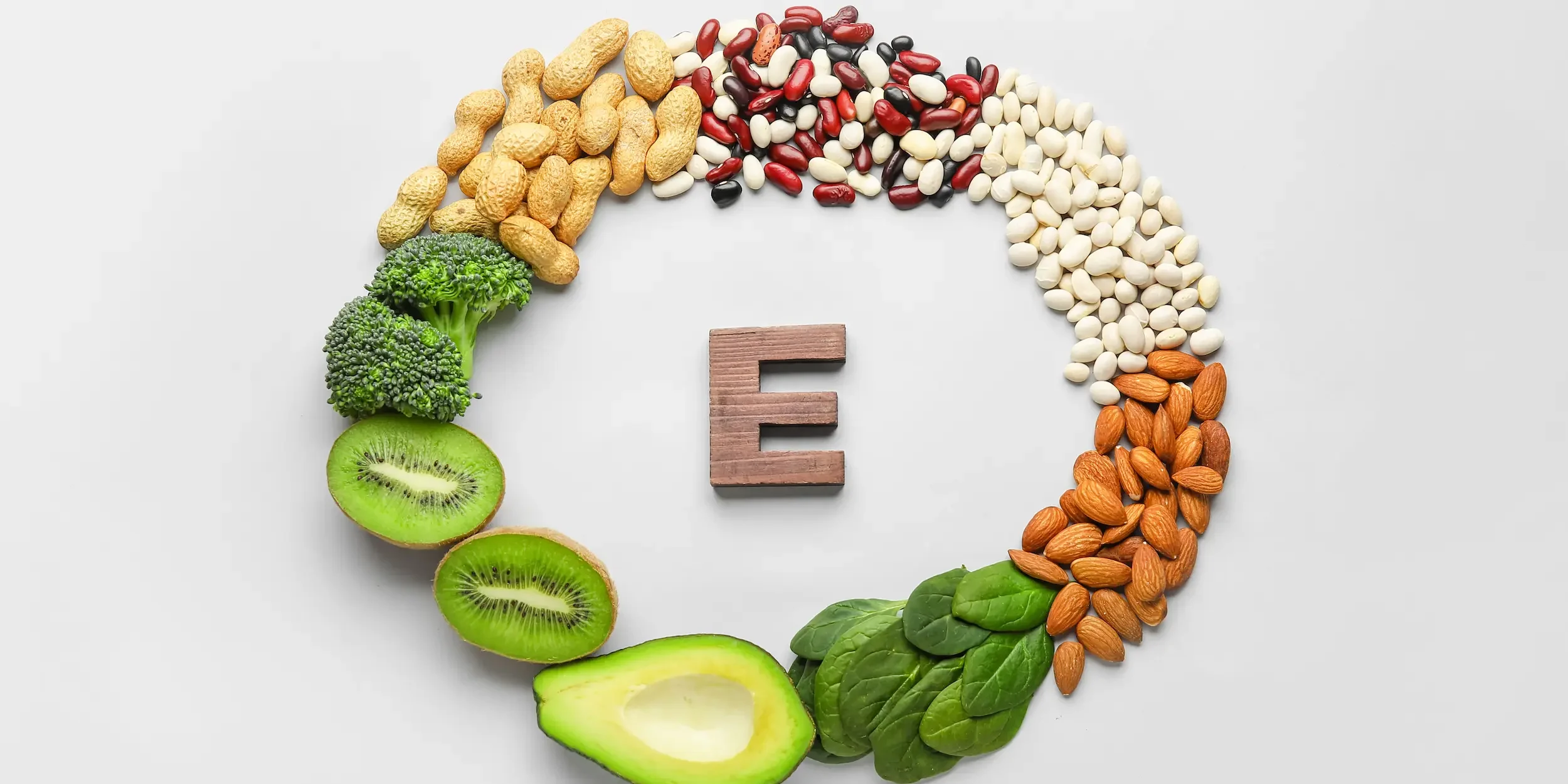
Vitamin E is a fat-soluble vitamin that is primarily involved in preventing cells from being damaged by free radicals. Taking vitamin E by mouth in low doses is generally a safe health practice for most adults, especially if you get vitamin E from foods like nuts, seeds, vegetable oils and leafy greens. Taking vitamin E in these quantities will most likely not cause adverse reactions.¹
However, as vitamin E is fat-soluble, it can be stored in the fatty tissues of the body, which means it can accumulate over time. Ordinarily, this isn’t a problem – you tend to use it up at a similar rate to consuming more. But if you take high dosages of vitamin E supplements, large amounts can build up in the body.
This can lead to adverse side effects linked to gradual overdose and toxicity, which is why it’s so important to only take the recommended dose.³
For most people, that’s all you need to worry about. But if you have an underlying medical condition, are taking medications regularly or are undergoing treatment, vitamin E could have a bigger impact. Below, we outline who should get medical advice before starting vitamin E supplements.
Is Vitamin E Safe During Pregnancy?
Vitamin E is an essential nutrient during pregnancy, as it protects normal cell function. However, most pregnant women can safely meet their vitamin E needs through a balanced diet that includes foods such as seeds, nuts and vegetable oils.¹
As a result, high-dose vitamin E supplements are generally not recommended during pregnancy unless specifically prescribed. There’s no evidence that taking higher amounts of vitamin E provides any greater benefits, so there’s no reason to risk toxicity symptoms.⁴
For this reason, healthcare professionals typically advise pregnant individuals to rely on their diet or standard prenatal supplements that contain vitamin E within safe limits rather than taking standalone high-dose products.
If you’re pregnant or planning to conceive, it’s always best to discuss any supplement use with a healthcare professional to ensure that both the dosage and the formulation are right for you.
Can a Man Take Vitamin E?
Vitamin E supplements can be taken by men and women alike, and moderation within healthy limits can help to protect cells and support overall health. It’s generally considered safe for most men to take vitamin E in moderation.¹
However, some large trials have shown a potential relationship between elevated dosages of vitamin E and a heightened risk of developing prostate cancer. In one clinical trial, it was seen that the risk of developing prostate cancer was slightly higher among men taking large doses of vitamin E compared with a placebo group.⁵
What does this mean? Well, it’s no reason to avoid taking vitamin E altogether, but men should be aware that taking too much could impact their prostate health. To avoid this, stick to the recommended dose at all times, unless advised otherwise by a doctor.
Like women, most men can get all the vitamin E they need from their diet. So, if you’re thinking of taking vitamin E supplements, it’s worth consulting a doctor first to find out whether it’s needed and how to do it safely.
Can Diabetics Take Vitamin E?
Some diabetes patients turn to dietary supplements to help manage their condition alongside medical treatments. Vitamin E has been a nutrient of interest for this purpose due to its antioxidant activity – but currently the evidence of its benefits for diabetes management is conflicting, and no consensus has been reached.⁶
If you’re diabetic and want to try vitamin E for yourself, taking the recommended dose is thought to be safe. Very high doses, on the other hand, could affect your treatment and should be avoided – and you should always take caution when using supplements.⁶
The best way to look after your health with diabetes – or any other underlying health condition – is to speak to your doctor before starting vitamin E supplements. They’ll be able to let you know if it’s safe to do so, and recommend alternatives if it’s not.
Does Vitamin E Thin the Blood?
One of the most important safety considerations with vitamin E is its potential effect on blood clotting. Vitamin E can have a mild blood-thinning effect, which may increase the risk of bleeding, especially when taken in high doses or in combination with certain medications.²
Extra caution should be taken if you:
- Regularly take medication that affects your blood (for example, antiplatelets or anticoagulants such as aspirin or warfarin)
- Have an underlying condition that affects your blood or circulatory system
- Are expecting to undergo surgery – dental or otherwise.
In these situations, vitamin E supplementation could increase the risk of excessive bleeding.³ Healthcare providers often recommend stopping high-dose vitamin E supplements before surgical procedures and carefully monitoring anyone who takes blood-affecting medication.
Can You Take Vitamin E If You’re Being Treated for Cancer?
Chemotherapy and radiation therapy are key treatments when it comes to battling cancer. They work by attacking cancer cells through a process called oxidation – which is where vitamin E supplements can be a hindrance.⁷
Vitamin E’s primary function in the body is as an antioxidant – in other words, it actively fights back against oxidation. So, taking vitamin E tablets while undergoing cancer treatment runs the risk of making the treatment less effective – and research has found this can have a significant impact.⁷
Because of this, many oncologists (cancer specialists) advise that patients stop taking vitamin E or any other supplements containing antioxidants during treatment. It’s vital to consult a doctor if you’re thinking of taking supplements while having cancer treatments – they can let you know whether it’s safe to do so.
A Balanced Approach to Vitamin E Supplementation
Vitamin E can be an extremely helpful nutrient when it comes to protecting normal physiological function in the body, and it’s usually safe in moderation for most people.
Nevertheless, some people need to exercise caution before introducing new supplements, including those who are pregnant, have underlying conditions or are going through treatment plans.
For most people, you can get all the vitamin E you need through your diet. If you do want to take supplements, though, consult a healthcare professional to learn about safe doses and to check it’s the right choice for your health and circumstances.
References
- National Institutes of Health, Office of Dietary Supplements. (2023). Vitamin E: Fact sheet for health professionals. https://ods.od.nih.gov/factsheets/VitaminE-HealthProfessional/
- European Food Safety Authority. (2015). Scientific opinion on the tolerable upper intake level for vitamin E. EFSA Journal, 13(7), 4149. https://efsa.onlinelibrary.wiley.com/doi/10.2903/j.efsa.2015.4149
- Mayo Clinic. (2023). Vitamin E. https://www.mayoclinic.org/drugs-supplements-vitamin-e/art-20364144
- Cochrane Database of Systematic Reviews. (2015). Vitamin E supplementation in pregnancy. https://doi.org/10.1002/14651858.CD004069.pub3
- Klein, E. A., Thompson, I. M., Tangen, C. M., et al. (2011). Vitamin E and the risk of prostate cancer: The Selenium and Vitamin E Cancer Prevention Trial (SELECT). JAMA, 306(14), 1549–1556. https://doi.org/10.1001/jama.2011.1437
- American Diabetes Association. (2023). Vitamins and supplements for people with diabetes. https://diabetes.org/healthy-living/medication-treatments/alternative-treatments/vitamins-and-supplements
- National Cancer Institute. (2023). Antioxidants and cancer prevention. https://www.cancer.gov/about-cancer/causes-prevention/risk/diet/antioxidants-fact-sheet