


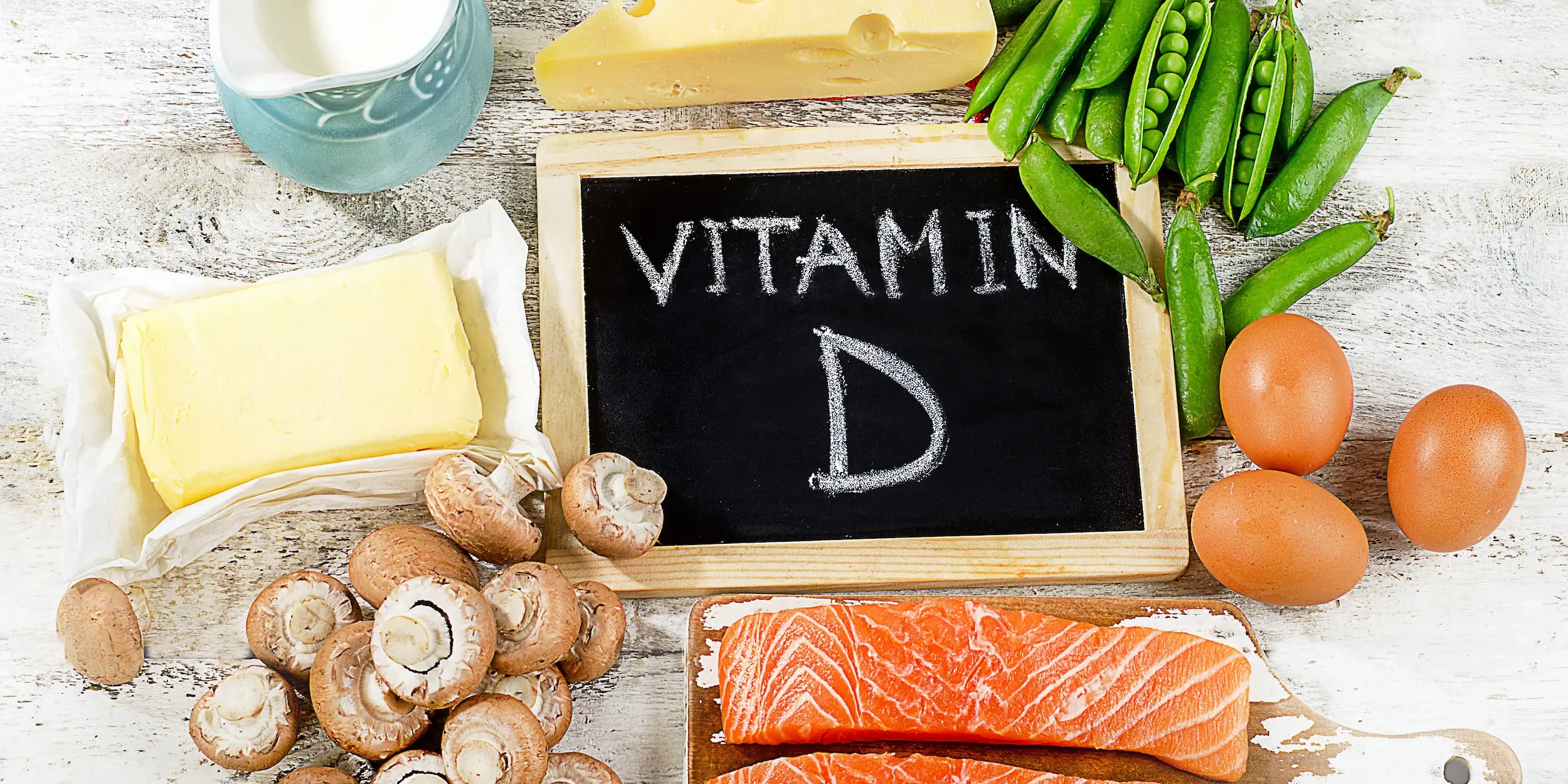
Which Foods Contain Vitamin D?
Vitamin D, sometimes known as the ‘sunshine vitamin’, is crucial for supporting your immune system, muscle strength, and bone health. While sunlight is the major source of vitamin D, it is not always sufficient, especially in the winter months or in regions where sunlight is restricted. Considering the detrimental effects of vitamin D deficiency, discovering the alternative ways to get vitamin D may be beneficial to support your healthcare.
Fortunately, sunlight is not the only source for receiving vitamin D. Some foods are naturally rich in vitamin D. Thus, adjusting your diet may help you achieve healthy vitamin D levels. Supplements may also be considered to enhance your consumption even further.
Which Foods Have Vitamin D?
Vitamin D is naturally present in only a few food types, typically in small amounts. Consuming these foods regularly can contribute to maintaining healthy levels, especially when sunlight exposure is limited. The key sources include:
Oily Fish
In addition to vitamin D, oily fish also contain omega 3 fatty acids, high quality protein, and other vitamins like B12. These nutrients work together to support your heart health and brain functions. Therefore, including salmon, mackerel, and sardines in your meals a few times a week might contribute to both your vitamin D intake and your overall healthcare.¹
Red Meats
Beef and lamb contain small amounts of vitamin D, particularly in fatty cuts. While they are not as concentrated as in oily fish, including moderate servings of red meat in your diet can help contribute to daily vitamin D intake.
Other key nutrients in red meat include:
- Iron: Supports red blood cell production.
- Zinc: Helps strengthen the immune system and support wound healing.
- Vitamin B12: Plays an essential role in the nervous system and energy metabolism.
- Protein: Provides essential amino acids for our muscles.
Liver
- Liver, particularly from beef or lamb, is a highly nutritious food and an excellent source of vitamin D. It provides a wide variety of essential vitamins and minerals that support several important functions in the body. However, because it is also very rich in vitamin A, it should be eaten in moderation, especially by pregnant women.¹
Nutrients Found in Liver
- Liver is one of the most nutrient-dense foods available. Alongside vitamin D, it contains a number of key nutrients that help the body stay healthy:
- • Vitamin A: Supports eye health, the immune system and normal cell growth. However, excessive amounts of preformed vitamin A from animal liver may increase the risk of birth defects during pregnancy.²
- • Iron: Plays a key role in the formation of red blood cells and helps prevent iron deficiency anaemia. Adequate iron intake supports energy production and reduces fatigue.³
- • Copper: Contributes to the production of red blood cells, supports connective tissue formation and helps with iron metabolism.³
- • Folate (Vitamin B9): Helps with DNA synthesis and cell regeneration, which are important for tissue repair and growth.⁴
- • Vitamin B12: Supports nerve function, brain health and energy production.⁴
- • Choline: Aids liver function and brain development, particularly important during pregnancy.⁵
Liver Consumption During Pregnancy
- Although liver offers several health benefits, its high level of preformed vitamin A can be risky during pregnancy. Too much vitamin A in this form has been linked to potential harm to a developing baby.⁶ For this reason, pregnant women are usually advised to limit or avoid liver and liver products, including pâté, unless otherwise recommended by their doctor.⁶
- For most adults, moderate liver consumption, such as once or twice a month, can provide valuable nutrients such as vitamin D, iron and B vitamins. Balancing liver intake with other vitamin D sources like oily fish, fortified dairy alternatives and egg yolks can help maintain healthy nutrient levels without risk.
Egg Yolks
Egg yolks are a natural source of vitamin D, although the amount can vary depending on the hens’ diet and exposure to sunlight. Eggs from free-range or pasture-fed hens generally contain higher levels of vitamin D compared to those from hens raised indoors. Including eggs in your diet can be a simple and versatile way to support your vitamin D intake, especially when combined with other nutrient-rich foods.¹
Beyond vitamin D, egg yolks provide a wide range of essential nutrients that contribute to overall health and wellbeing:
- High quality protein: Helps support muscle growth, tissue repair and satiety throughout the day.
- Healthy fats: Provide energy, aid hormone production and promote brain health.
- Choline: Plays a crucial role in brain development, liver function and metabolism.
- Vitamin B2 (riboflavin): Supports energy production by helping the body convert food into fuel.
- Vitamin A: Contributes to eye health and immune function.
- Selenium: Acts as an antioxidant and supports thyroid health.
Because of this nutrient profile, eggs can be considered a highly valuable addition to a balanced diet. However, moderation is recommended, particularly for individuals managing cholesterol levels.
Fortified Foods
Fortified foods such as breakfast cereals, plant-based milks and margarine are designed to help people meet their daily vitamin D needs. These products are especially useful for those with limited access to natural sources or dietary restrictions, such as vegans.
Fortified foods commonly include:
- Calcium: Strengthens bones and teeth.
- Vitamin B12: Important for energy production and red blood cell formation.
- Iron: Helps transport oxygen in the body.
Does Milk Contain Vitamin D?
There is a common misconception that milk is naturally rich in vitamin D. In reality, unfortified cow’s milk contains only trace amounts of vitamin D, and fortification is not common practice in the United Kingdom.
This misunderstanding likely developed because milk is widely recognised as an excellent source of calcium, a mineral essential for maintaining strong bones and teeth. Since both calcium and vitamin D are linked to bone health, many people assume that milk must also contain vitamin D. In fact, while calcium strengthens bones, vitamin D helps the body absorb and utilise that calcium effectively. Without enough vitamin D, even a calcium-rich diet may not fully support bone health.
Fortified milk and plant-based alternatives can therefore play an important role in meeting daily vitamin D needs, especially in regions with limited sunlight exposure. These products often contain added nutrients such as calcium and sometimes vitamin K, which works together with vitamin D to support bone metabolism. While vitamin D helps the body absorb calcium from the diet, vitamin K assists in directing that calcium into the bones rather than soft tissues. Including fortified options that provide a combination of these nutrients may therefore contribute to stronger bones and overall skeletal health.¹
Breast milk is also naturally low in vitamin D, which is why supplementation is often recommended for infants, particularly during periods of low sunlight exposure. Fortified formulas or vitamin D drops can help ensure babies receive the amounts they need for healthy bone development and immune function.
For those seeking additional support, Nutraxin’s Vitamin D3 + K2 tablets are a convenient option to maintain adequate vitamin D levels throughout the year.
By including oily fish, eggs, liver, and fortified foods in your diet, and considering supplementation if sunlight is limited, you can help support your vitamin D status, benefiting bone health, muscle function and your immune system.¹
References
- Great Britain Nutrition and Health Claims Register. (2024). Authorised nutrition and health claims. Available at: https://www.gov.uk/government/publications/nutrition-and-health-claims-great-britain-register
- Holick, M. F. (2007). Vitamin D deficiency. New England Journal of Medicine, 357(3), 266–281.
- NHS. Foods to avoid in pregnancy. https://www.nhs.uk/pregnancy/keeping-well/foods-to-avoid/
- Harvard T.H. Chan School of Public Health. The Nutrition Source: Iron. https://www.hsph.harvard.edu/nutritionsource/iron/
- Healthline. Liver: Nutrition, Benefits, and Risks. https://www.healthline.com/nutrition/liver
- Cleveland Clinic. Choline: What It Is, Benefits, and Sources. https://my.clevelandclinic.org/health/articles/23060-choline
- NHS. Vitamin A and pregnancy. https://www.nhs.uk/pregnancy/keeping-well/vitamins-supplements-and-nutrition/
