
Which Food Contains Vitamin B1?
Vitamin B1, also known as thiamin, is a vital nutrient that supports energy metabolism, the nervous system and overall heart function. Ensuring sufficient intake of vitamin B1 is crucial for maintaining healthy energy levels and supporting the body’s ability to convert food into usable energy.
Most people can obtain enough thiamin, like other B vitamins, through a balanced diet, but knowing which foods are richest in this vitamin can make it easier for you to boost your intake.¹
Which Foods Contain Vitamin B1?
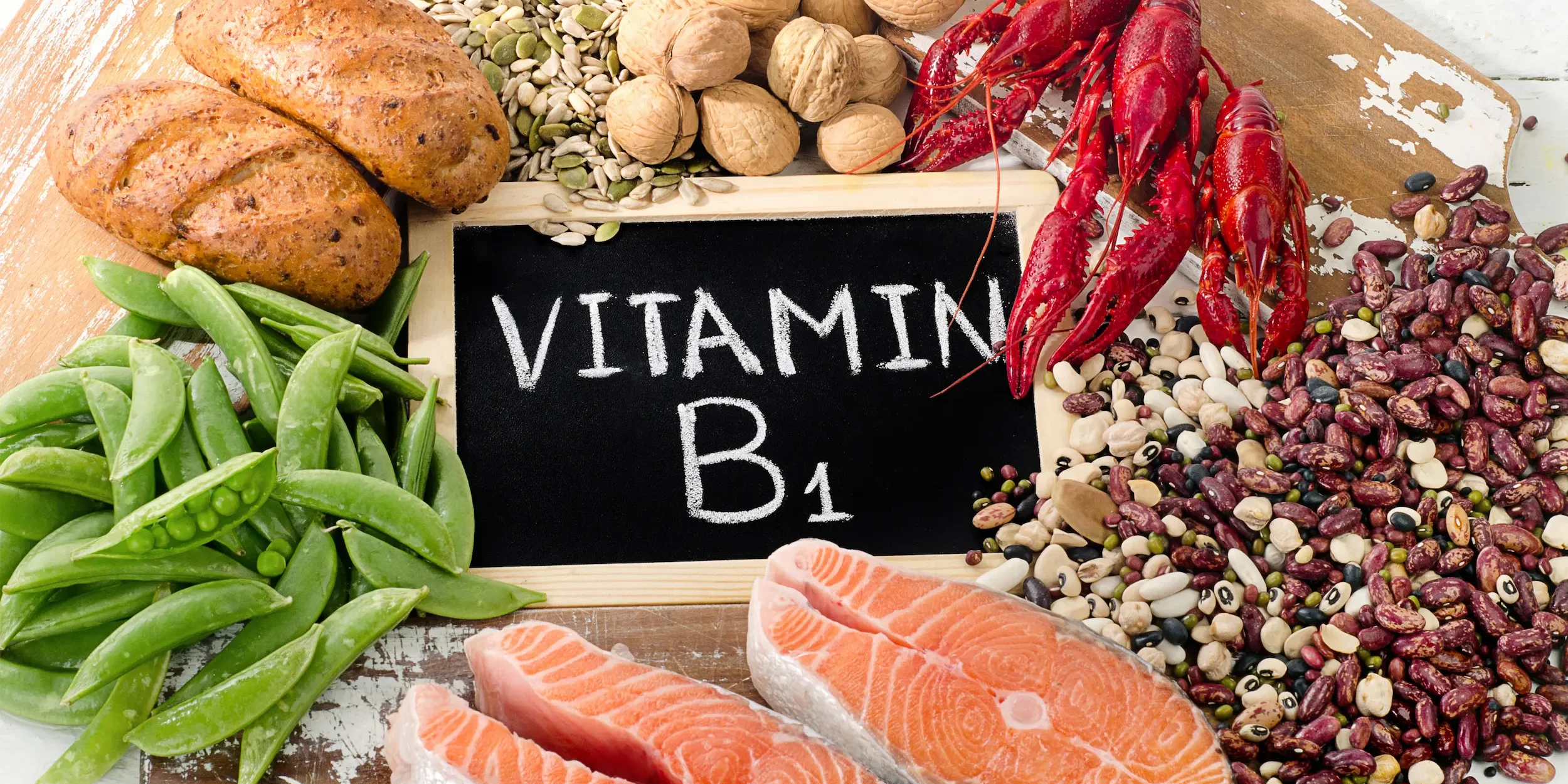
Thiamin is widely available in both plant and animal foods. While a varied diet typically meets daily requirements, focusing on specific food groups can make it easier to reach the recommended intake and enjoy the benefits of vitamin B1.¹ Cooking methods also influence thiamin levels because it is a water-soluble vitamin, meaning prolonged boiling or overcooking can reduce its content.²
The following categories highlight key sources of vitamin B1.
Plant-Based Sources
Plant foods generally provide smaller amounts of thiamin compared to animal products, but when combined, they can significantly contribute to daily intake.
- Green peas
- Spinach
- Brussels sprouts
- Asparagus
- Oranges and other citrus fruits
- Potatoes
- Beans and lentils
Eating a variety of these vegetables and legumes throughout the day helps maintain healthy thiamin levels and supports energy metabolism and nervous system function.³
Nuts and Whole Grains
Nuts and whole grains are excellent sources of thiamin and can easily be added to meals or snacks.
- Sunflower seeds
- Flaxseeds
- Macadamia nuts
- Whole-grain bread
- Brown rice
- Oats
- Barley and wheat germ
Including these foods in breakfast, snacks, or main meals can make a meaningful difference in your daily intake.⁴
Animal Sources
Animal products tend to be richer in thiamin than plant sources.
- Pork (particularly lean cuts)
- Beef
- Poultry such as chicken or turkey
- Fish like trout, tuna, or salmon
- Eggs
- Dairy products (milk, yogurt, cheese in smaller amounts)
Combining these foods with plant-based sources ensures a balanced diet and can be especially useful for people with higher energy demands.⁵
Fortified Foods
For individuals who find it difficult to meet their vitamin B1 needs through natural foods alone, fortified foods or supplements can help.
- Breakfast cereals fortified with thiamin
- Plant-based milk alternatives with added B vitamins
- Nutritional supplements such as vitamin B-complex tablets
These options can provide extra support, particularly for vegetarians, vegans, or anyone with limited dietary diversity.⁶
By including a mix of plant-based sources, nuts, grains, animal products, and fortified foods, it’s easier to achieve consistent thiamin intake and support the body’s energy production, brain function, and nervous system health.⁷
How Much Vitamin B1 Do You Need Per Day?
The recommended daily intake of vitamin B1 varies depending on age, sex and lifestyle factors. Adult men generally require around 1.1 to 1.2 mg per day, while adult women need approximately 1.0 mg.¹
For most adults, achieving this level is feasible through a combination of dietary sources. For example, two medium bananas provide roughly 0.4 mg of thiamin,¹ which is nearly half of the daily requirement. Including a serving of whole-grain cereal, a handful of nuts and some pork or legumes throughout the day can help most people comfortably meet their thiamin needs.
Pregnant or breastfeeding women may require slightly higher amounts of vitamin B1 due to increased metabolic demands.¹ Those unable to meet daily intake through diet alone can consider fortified foods or a vitamin B-complex supplement, following the guidance of a healthcare professional.
Ensuring adequate intake of vitamin B1 is achievable with a varied diet that includes fruits, vegetables, nuts, whole grains and lean meats. Paying attention to fortified foods and supplementation options can provide additional support when necessary. A balanced approach ensures that energy metabolism, nervous system function and heart health are maintained.
References
- Great Britain Nutrition and Health Claims Register. (2024). Authorised nutrition and health claims. Available at: https://www.gov.uk/government/publications/nutrition-and-health-claims-great-britain-register
- Healthline. Thiamin (Vitamin B1): Benefits, Deficiency, and Sources. https://www.healthline.com/nutrition/vitamin-b1-thiamine
- Harvard T.H. Chan School of Public Health. The Nutrition Source: Thiamin. https://www.hsph.harvard.edu/nutritionsource/vitamins/thiamin/
- USDA FoodData Central. https://fdc.nal.usda.gov/
- Mayo Clinic. Thiamine (Vitamin B1). https://www.mayoclinic.org/drugs-supplements/thiamine/art-20364631
- Cleveland Clinic. Vitamin B1 (Thiamine) Benefits and Food Sources. https://my.clevelandclinic.org/health/articles/22112-vitamin-b1-thiamine
- WebMD. Vitamin B1 (Thiamine) Overview. https://www.webmd.com/diet/ss/slideshow-vitamin-b1-thiamine
