


Can men take folic acid?
Because of its crucial role in promoting foetal development, folic acid is frequently considered a vitamin that is only important for women, especially during pregnancy.¹ But when included in a nutritious, well-balanced diet, folic acid can also help men. Although the majority of conversations regarding folic acid concentrate on women’s reproductive health, this nutrient also supports blood formation, mental health and general energy levels in men.¹
The body transforms the synthetic form, folic acid, into folate, a water-soluble B vitamin involved in many physiological processes.¹ While men do not require folic acid for conception or pregnancy, adequate intake is still essential for general well-being.
Is folic acid good for men?
Folic acid is an essential nutrient for men because it helps support normal bodily functions beyond reproduction. In particular, it contributes to the production and maintenance of healthy cells, including red blood cells.¹ Maintaining sufficient folate levels can also play a role in breaking down a naturally occurring amino acid called homocysteine, which is important for cardiovascular health.¹
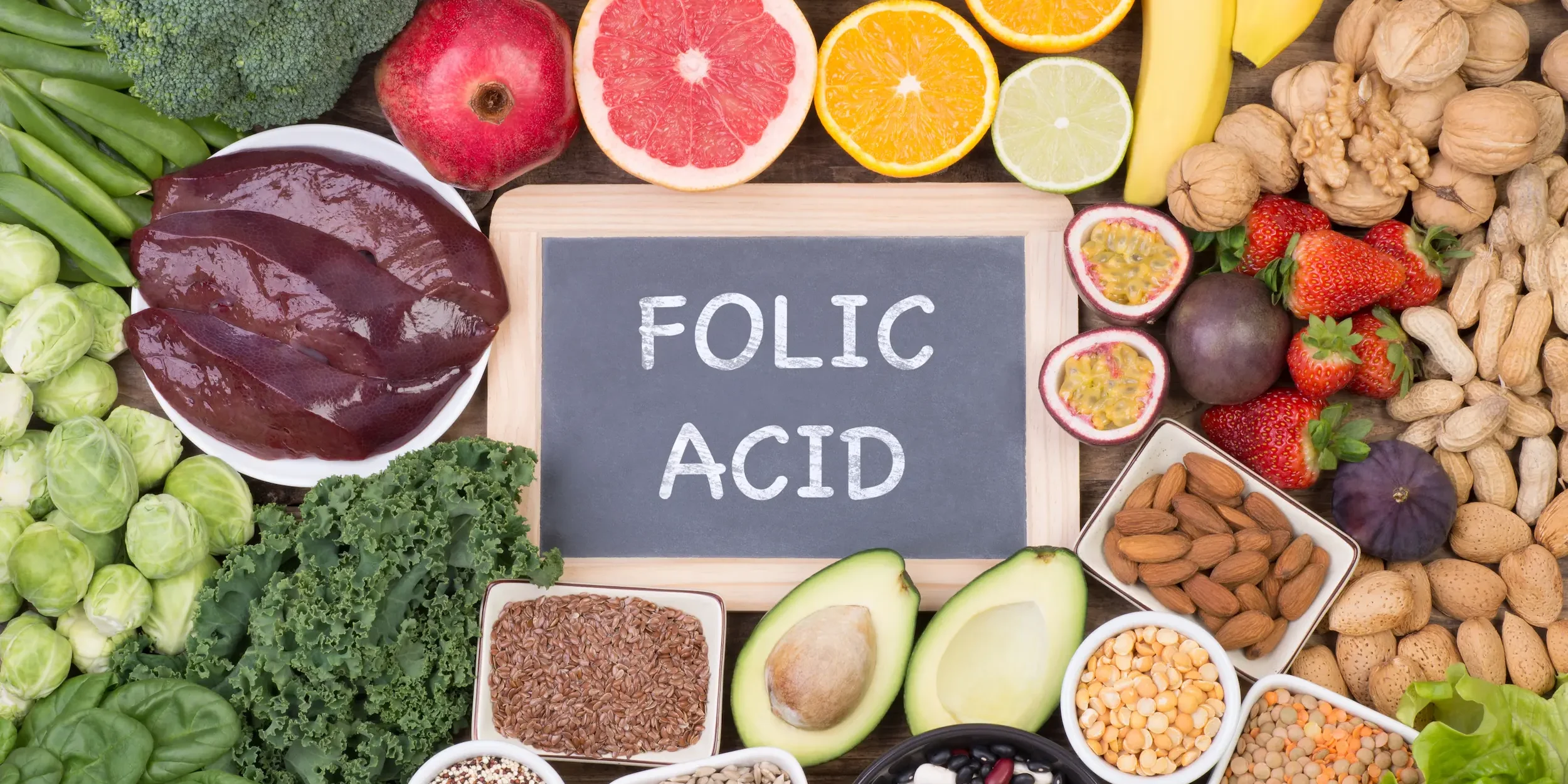
A balanced diet containing leafy greens, legumes, fortified cereals and nuts can help men to get enough folate through food.¹ For those who struggle to meet these requirements through diet alone, folic acid supplementation may be a practical option.¹
What does folic acid do for men?
Folic acid, once converted to folate in the body, supports a variety of functions that are essential for men’s health. The following subsections highlight some of the most notable benefits.¹
Blood Formation
Folic acid, also called vitamin B9, is essential for the formation of healthy red blood cells. Red blood cells transport oxygen throughout the body, which is vital for maintaining energy, focus, and overall health. Without sufficient folate, the body may struggle to produce enough red blood cells, potentially leading to anaemia, fatigue, and even pale skin.¹
For men, maintaining adequate folate levels ensures that the body can efficiently produce these oxygen-carrying cells. This translates into feeling more energetic during the day, sustaining physical activity, and being able to enjoy leisure or exercise without easily getting tired.² Including folate-rich foods like spinach, lentils, chickpeas, and fortified grains in the diet, or using a folic acid supplement if needed, can help men maintain a healthy baseline in blood health.
Mental Health Support
Folic acid also plays a key role in supporting mental wellbeing. It participates in the production of neurotransmitters such as serotonin, dopamine, and norepinephrine, which regulate mood, concentration, and stress resilience.³ Ensuring sufficient folate intake may help men feel more alert, focused, and capable of handling daily stressors.⁴
While folic acid is not a treatment for mental health conditions, maintaining healthy folate levels can provide a strong foundation for overall psychological health. Men who already face mental health challenges can benefit from adequate folate intake as a baseline, alongside professional support if needed. This combination may improve cognitive performance, emotional balance, and the ability to enjoy both work and leisure time.
Immune Function
Folic acid supports the immune system by aiding the production of white blood cells, which defend the body against infections and other stressors.⁵ Adequate folate intake can help men maintain strong immune responses, particularly during periods of physical strain or environmental stress. For instance, men who are regularly active, work long hours, or travel frequently may find that supporting their immune system through proper folate intake helps them avoid fatigue from minor illnesses.⁶
By maintaining a healthy immune baseline, folate ensures that the body can respond effectively to challenges without relying on reactive supplementation or treatments after symptoms appear.
Fatigue Reduction and Daily Energy
One of the most tangible benefits men notice from sufficient folate intake is reduced tiredness.⁷ Folate’s role in red blood cell formation directly impacts the body’s ability to transport oxygen efficiently, which in turn supports stamina, alertness, and overall energy levels. Men who consume adequate folate may feel more capable of engaging in both physical and mental tasks throughout the day. Whether it’s sustaining focus at work, participating in recreational activities, or enjoying quality time with family, folic acid helps ensure that energy is available when it’s needed most.⁸
This effect highlights folate’s practical significance beyond laboratory measurements. Maintaining energy and alertness allows men to be more active, enjoy hobbies, and perform daily responsibilities with greater ease, contributing to overall quality of life.
Practical Takeaways for Men
Although folic acid is often discussed in relation to pregnancy and women’s health, men benefit from it in many ways as well. Consuming folate-rich foods, or supplementing if necessary, provides a foundation for healthy red blood cells, cognitive function, immune strength, and sustained energy. Men who are active, have demanding work schedules, or want to support overall wellness may find that folic acid helps them maintain a healthy baseline that can be complemented with a balanced diet and professional guidance if needed.⁹
Men considering folic acid supplementation should also be aware of potential side effects and recommended dosages. Consulting a medical professional before starting folic acid supplementation can help you to decide if they are right for you.
References
- Great Britain Nutrition and Health Claims Register. (2024). Authorised nutrition and health claims. Available at: https://www.gov.uk/government/publications/nutrition-and-health-claims-great-britain-register
- Cleveland Clinic. Folate Deficiency: Symptoms, Causes & Prevention. https://my.clevelandclinic.org/health/diseases/22198-folate-deficiency
- Mayo Clinic. Folate (Folic Acid). https://www.mayoclinic.org/drugs-supplements-folate/art-20364625
- Liwinski, T., et al. (2023). Folate and Its Significance in Depressive Disorders and Cognitive Function. Journal of Clinical Medicine, 12(4), 1234. https://doi.org/10.3390/jcm12041234
- Field, C.J., et al. (2006). Dietary folate improves age-related decreases in immune function. Journal of Nutritional Biochemistry, 17(6), 386-392. https://doi.org/10.1016/j.jnutbio.2005.11.005
- National Institutes of Health Office of Dietary Supplements. Folate. https://ods.od.nih.gov/factsheets/Folate-HealthProfessional/
- Cleveland Clinic. Folate Deficiency: Symptoms, Causes & Prevention. https://my.clevelandclinic.org/health/diseases/22198-folate-deficiency
- Mayo Clinic. Folate (Folic Acid). https://www.mayoclinic.org/drugs-supplements-folate/art-20364625
- Healthline. Why Men Should Consider Folic Acid. https://www.healthline.com/nutrition/folic-acid-for-men
