


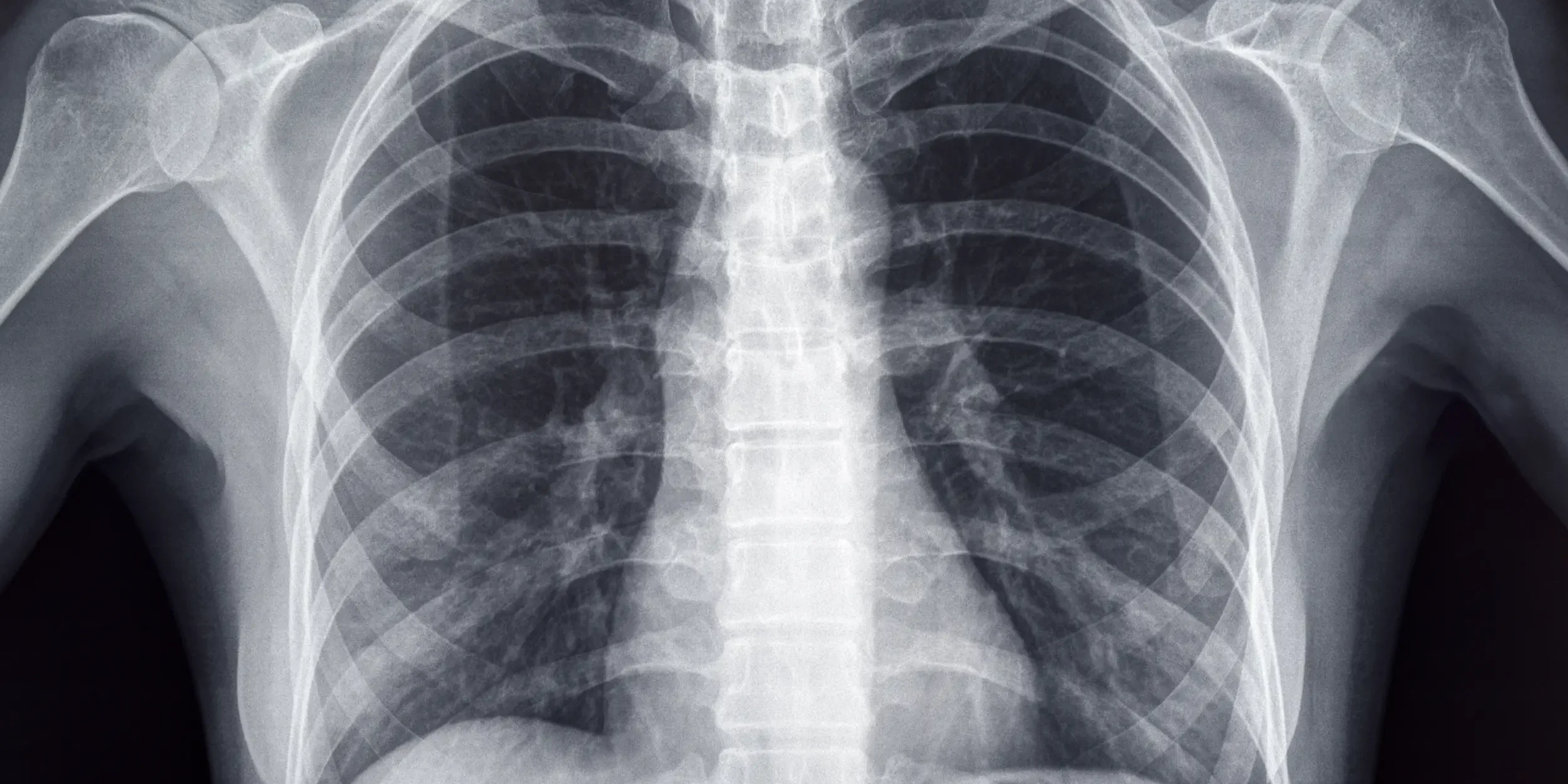
What is bone mineral density?
Understanding how minerals are used and stored in your body is an important step towards maintaining overall health. Unlike vitamins, minerals cannot be produced by the body, which means they must be obtained through your diet or, in some cases, supplements. If you suspect you may have a mineral deficiency, it is essential to consult a healthcare professional who can recommend appropriate testing and guidance¹. Testing for mineral deficiencies can provide valuable insights into your current nutritional status, helping to identify specific gaps and allowing for tailored interventions.
Minerals such as calcium, phosphorus, and magnesium play a key role in supporting various bodily functions, particularly the health and strength of your bones, and understanding your levels can help you make informed decisions about diet and supplementation.
Can blood tests detect mineral deficiencies?
Blood tests are the most common method used to assess whether someone has a mineral deficiency². These tests measure the levels of specific nutrients circulating in the bloodstream. Some blood tests are comprehensive panels that screen for multiple vitamins and minerals at once, while others focus on individual nutrients depending on the suspected deficiency². In most cases, individual nutrient tests can be done using the same blood sample, so additional blood draws are not usually required.
During a blood test, a healthcare professional will typically draw blood from a vein, usually in the arm, which is then sent to a laboratory for analysis. For example, a blood test can measure calcium, magnesium, or zinc levels to determine if supplementation or dietary changes are needed². It is important to note, however, that blood levels may not always reflect long-term mineral stores in the body³. Some minerals are tightly regulated in the blood and may appear normal even when body stores are low. This is why healthcare professionals often consider a combination of tests, diet history, and physical symptoms when assessing mineral status.
How does the skeleton store minerals?
The skeleton is not only a structural framework for the body but also a storage site for important minerals, particularly calcium and phosphorus.³ These minerals are deposited into bone tissue in a crystalline form called hydroxyapatite, which provides strength and rigidity.
Magnesium and trace minerals like zinc and manganese are also incorporated into bones, supporting structural integrity.³ When the body experiences a shortfall in dietary intake, minerals can be mobilised from bone stores to maintain essential physiological functions.³ While this compensatory mechanism is useful in the short term, prolonged deficiencies can weaken the bones and increase the risk of fractures and osteoporosis.²
Maintaining adequate mineral intake through diet or supplementation when necessary is therefore essential to support healthy bone mineral density and overall skeletal health.³
How is bone mineral density measured?
Bone mineral density (BMD) testing is used to evaluate bone strength and the risk of fracture. BMD is measured using specialised imaging techniques, the most common of which is dual-energy X-ray absorptiometry (DEXA or DXA).² This scan measures the amount of minerals, primarily calcium, present in the bones and compares it to reference values for healthy adults.
BMD testing is generally recommended when a risk to bone health is identified. This may include individuals who have experienced a fracture, have a family history of osteoporosis, are postmenopausal or have other risk factors for bone loss.³ The results help healthcare professionals determine whether interventions such as dietary changes, lifestyle adjustments or supplements are required.²
Although BMD testing is not typically performed as part of routine blood work, it provides a more direct assessment of skeletal mineral stores compared to circulating blood levels³. Doctors may recommend a BMD test if blood results are inconclusive or if a patient is experiencing symptoms that suggest a mineral deficiency, such as bone pain or increased fracture risk. Combining BMD testing with regular monitoring of dietary intake and blood nutrient levels ensures a comprehensive approach to maintaining bone health.
Bone mineral density is a crucial indicator of skeletal health and overall mineral status. While blood tests can detect deficiencies in minerals such as calcium, magnesium and zinc,¹,² the skeleton itself acts as a reservoir to maintain essential mineral balance.³ BMD testing provides a direct measure of bone strength and is particularly important for those at risk of osteoporosis or fractures.²
Ensuring an adequate intake of key minerals through a balanced diet, and using supplements when necessary, can help maintain healthy bones and reduce the risk of long-term skeletal complications.³
References
- National Institutes of Health, Office of Dietary Supplements. (2021). Minerals fact sheet for health professionals. U.S. Department of Health & Human Services. Retrieved September 21, 2025, from https://ods.od.nih.gov/factsheets/Minerals-HealthProfessional/
- Institute of Medicine. (2001). Dietary reference intakes for vitamin A, vitamin K, arsenic, boron, chromium, copper, iodine, iron, manganese, molybdenum, nickel, silicon, vanadium, and zinc. National Academies Press. https://doi.org/10.17226/10026
- National Health Service. (2023). Bone health and osteoporosis. Retrieved September 21, 2025, from https://www.nhs.uk/conditions/osteoporosis/
