


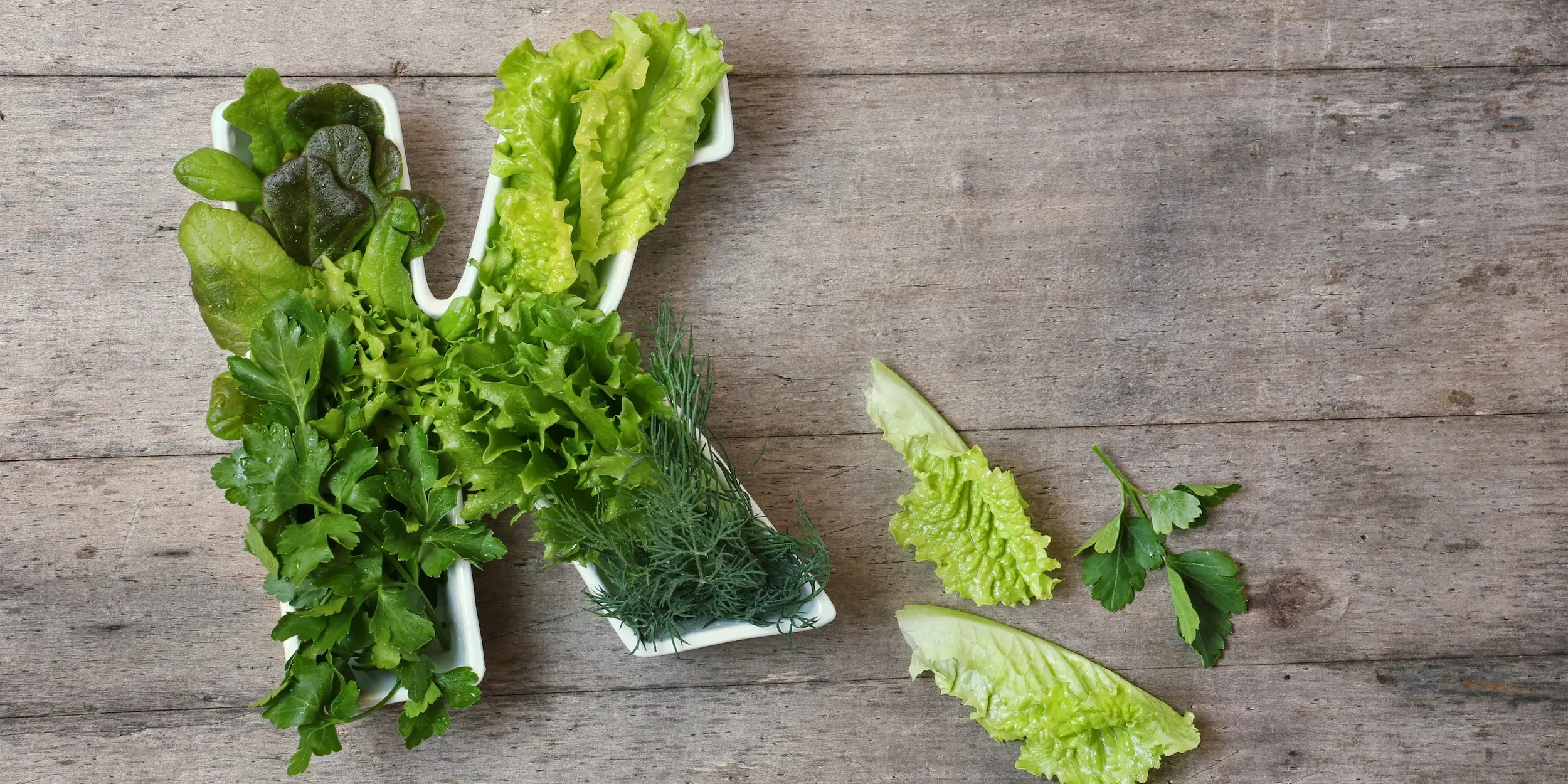
How to get enough vitamin K
Ensuring your body receives the right balance of vitamins and minerals can sometimes feel overwhelming. With so many nutrients to consider, it can be difficult to know whether you are getting enough of each one. This can make it challenging to make informed decisions about adjusting your diet or considering supplements, as it is not always clear which changes will be most beneficial. Vitamin K is one such nutrient; it plays an important role in the body, yet many people are unsure how much they need or which foods provide adequate amounts. The good news is that for most individuals, meeting daily vitamin K requirements is achievable with a varied and balanced diet.
How much vitamin K do you need per day?
The amount of vitamin K you need depends partly on your age. In general, adults require around 1 microgram (µg) of vitamin K per kilogram of body weight each day.¹ This means that someone who weighs 70 kilograms would need about 70 micrograms daily. For infants, children and teenagers, the recommendations are lower and increase gradually as they grow.¹
These daily amounts are usually easy to achieve through a balanced diet. Because vitamin K is found in a variety of common foods, most people do not need to think too much about meeting their intake.² It is, however, useful to know which foods are rich in vitamin K, as this can help you make confident choices about your meals.
Where to get vitamin K
Vitamin K is available from both food and supplements. For most people, dietary sources provide more than enough to maintain good health.
Food sources
There are two important forms of vitamin K found in food: vitamin K1 (also known as phylloquinone) and vitamin K2 (also known as menaquinone).²
- Vitamin K1 is mostly found in leafy green vegetables. Kale, spinach, broccoli and cabbage are all excellent sources.² Even a small serving of these foods can provide a significant proportion of your daily requirement.²
- Vitamin K2 is present in smaller amounts in animal-based foods and certain fermented products.² Cheese, eggs and some meats contain K2, as does natto, a traditional Japanese dish made from fermented soybeans.²
Including a range of these foods in your meals can help ensure you are covering both types of vitamin K.²
Supplements
While most people can obtain enough vitamin K from their diet, some people may benefit from vitamin K supplementation.³ For example, individuals with limited food variety, digestive or absorption issues or increased needs due to specific health conditions might benefit from an additional source.³
Some supplements combine vitamin K with vitamin D, as both work together to support bone health.³ Products such as the Nutraxin Vitamin D3 & K2 Tablet are designed for those who may need a targeted boost.³
That said, it is generally advised that people should first focus on their diet and only turn to supplements if recommended or necessary.³
What happens if you have too much vitamin K?
Vitamin K toxicity is considered very rare.⁴ When it has been observed, it is usually associated with excessive supplement use rather than food sources.⁴ In such cases, the liver appears to be the organ most affected.⁴
For this reason, it is important to always follow dosage instructions carefully when using supplements.⁴ Packaging should be kept out of reach of children, and professional advice should be sought if you are unsure about how much to take.⁴
Those who get vitamin K from food alone are extremely unlikely to experience toxicity.² Eating a balanced diet with plenty of fruits, vegetables and other wholesome foods will generally provide all the vitamin K your body requires, without the risks associated with over-supplementation.²
Vitamin K may not be the most talked-about nutrient, but it plays a vital role in supporting the maintenance of bones and the blood clotting process. With recommended daily intakes that can usually be met through diet alone,¹ most people do not need to worry about deficiency or supplementation. By including leafy greens, fermented foods and other natural sources in your meals, you can be confident that you’re getting enough of this important vitamin.²
If you’re considering supplements, remember that they are not necessary for everyone.³ Instead, focus first on building a balanced diet, and consult a healthcare professional if you believe you have specific needs.³ With this approach, maintaining healthy vitamin K levels can be simple, safe and effective.
References
- European Food Safety Authority (EFSA). (2017). Dietary reference values for vitamin K. EFSA Journal, 15(5), 4780. https://doi.org/10.2903/j.efsa.2017.4780
- Institute of Medicine. (2001). Dietary reference intakes for vitamin A, vitamin K, arsenic, boron, chromium, copper, iodine, iron, manganese, molybdenum, nickel, silicon, vanadium, and zinc. National Academies Press. https://doi.org/10.17226/10026
- National Institutes of Health, Office of Dietary Supplements. (2021). Vitamin K fact sheet for health professionals. U.S. Department of Health & Human Services. Retrieved September 21, 2025, from https://ods.od.nih.gov/factsheets/VitaminK-HealthProfessional/
- National Health Service. (2023). Vitamins and minerals – Vitamin K. Retrieved September 21, 2025, from https://www.nhs.uk/conditions/vitamins-and-minerals/vitamin-k/
