


Which foods contain vitamin C?
A healthy, balanced diet provides the body with all the nutrients it needs to function at its best. Among these nutrients, vitamin C holds a special place. The body cannot produce or store this vitamin, which means regular intake through food is essential.
While most people are aware that citrus fruits are good sources of vitamin C, there is a much wider variety of foods that can help meet daily requirements. Understanding these options makes it easier to ensure that your body receives enough vitamin C every day.
What is vitamin C found in?
Vitamin C, also known as ascorbic acid, is a water-soluble vitamin. This means it dissolves in water and is not stored in the body, making regular intake through diet essential. While almost any food containing vitamin C contributes to your daily intake, focusing on those with higher levels may be more efficient. Cooking methods can also influence vitamin C levels. Because it is sensitive to heat and water, boiling or prolonged cooking of food may reduce its vitamin C content, whereas steaming, microwaving lightly, or consuming foods raw helps preserve it¹. Additionally, serving foods in the liquid they were cooked in, such as a gravy or pasta sauce, can help retain these nutrients.
Fruits
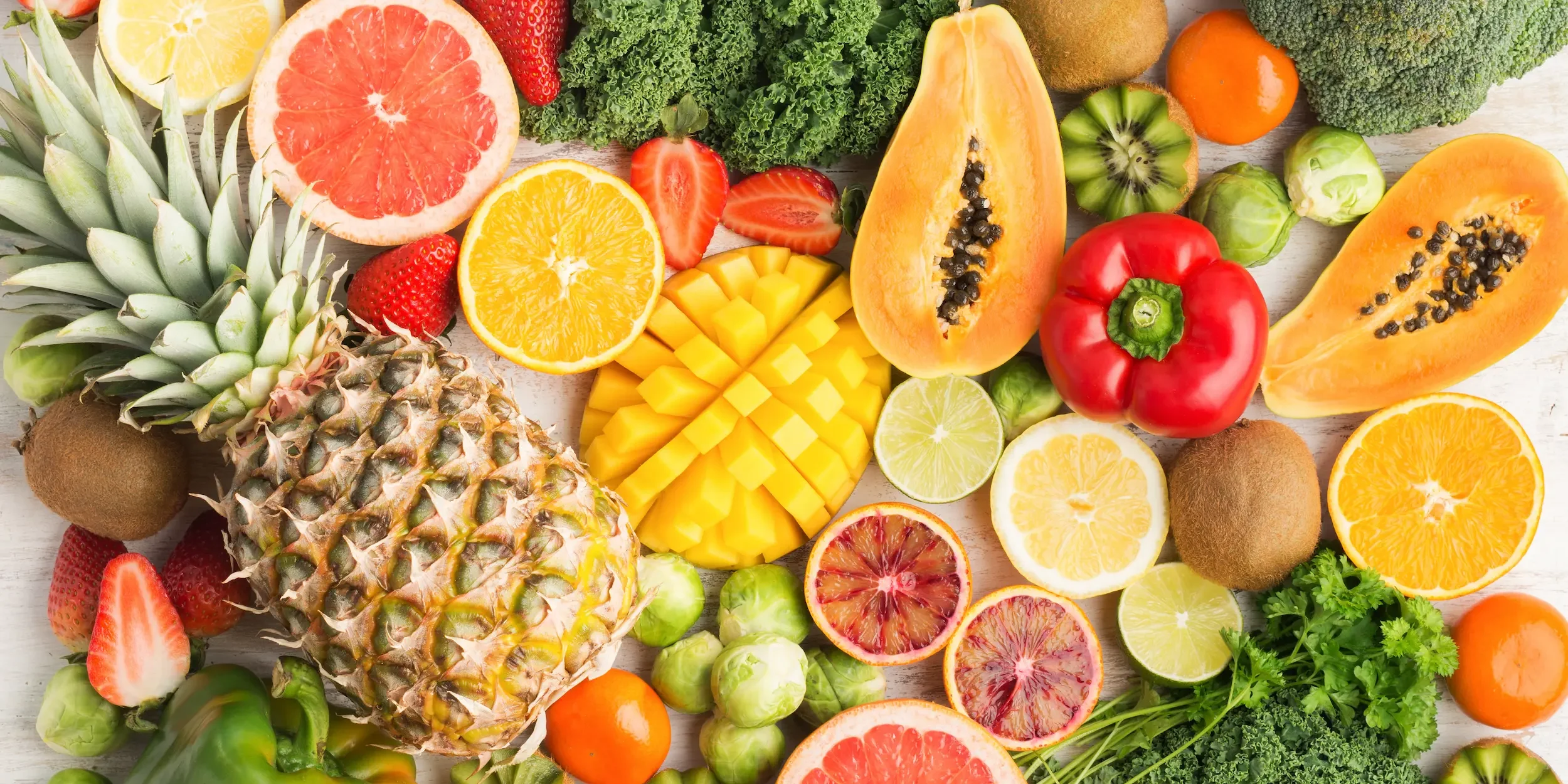
Fruits are among the best-known sources of vitamin C. A structured approach can help ensure you get enough:
- Citrus fruits: Oranges, lemons, grapefruits. A medium orange contains around 70 mg of vitamin C².
- Other fruits: Strawberries, kiwis, papayas, mangoes.
- Berries: Blackcurrants, blueberries. Blackcurrants provide over 150 mg per 100 g³.
Tips for incorporating fruits:
- Add to breakfast cereal or yoghurt.
- Include as a dessert or mid-morning snack.
- Blend into smoothies or juices.
Vegetables
Vegetables are another excellent source of vitamin C. The following vegetables are particularly rich:
- Peppers: Red and green, with red peppers providing more than 120 mg per 100 g⁴.
- Leafy greens: Kale, spinach, Brussels sprouts.
- Cruciferous vegetables: Broccoli, cauliflower.
- Raw options: Carrot sticks, cucumber slices, bell pepper strips.
Cooking tips to preserve vitamin C:
- Steam or lightly stir-fry instead of boiling.
- Eat some vegetables raw in salads or as snack sticks.
- Use cooking liquids in sauces or soups to retain nutrients⁵.
Nuts and seeds
While generally low in vitamin C, some varieties such as chestnuts contain moderate amounts⁶. They are best enjoyed alongside fruits and vegetables rather than as primary sources. Nuts and seeds also provide minerals, vitamin E, and healthy fats that support overall health.
Fortified foods
Some everyday products are fortified with vitamin C, which can help maintain intake:
- Breakfast cereals
- Fruit juices
- Plant-based milk alternatives⁷
These are convenient options for people who struggle to eat sufficient fruit and vegetables.
Meats and other foods
Animal-based foods are generally low in vitamin C, but small amounts can be found in:
- Organ meats such as liver
- Certain fish like salmon and mackerel⁸
These should not be relied upon as primary sources, but they contribute to dietary variety and provide other nutrients.
Supplements
For individuals who find it difficult to meet their vitamin C needs through diet alone, supplements may be a practical option. Vitamin C supplements are available in tablet, capsule or chewable form and can provide consistent and reliable amounts.9 However, most people can achieve adequate levels through food sources if they maintain a varied diet.
Vitamin C is essential for supporting the immune system, maintaining healthy skin and aiding the absorption of iron. While supplements are an option, most individuals can reach their daily requirements through a varied diet rich in fruits and vegetables. Choosing fresh produce, preparing it in ways that preserve vitamin C and making use of fortified foods when necessary can all help ensure that your body receives the vitamin C it needs.
References
- Institute of Medicine. (2000). Dietary reference intakes for vitamin C. National Academies Press.
- U.S. Department of Agriculture. (n.d.-a). FoodData Central: Oranges, raw. https://fdc.nal.usda.gov/
- European Food Safety Authority. (2013). Scientific opinion on dietary reference values for vitamin C. EFSA Journal, 11(11), 3418. https://doi.org/10.2903/j.efsa.2013.3418
- U.S. Department of Agriculture. (n.d.-b). FoodData Central: Peppers, sweet, red, raw. https://fdc.nal.usda.gov/
- Bureau of Nutrition, Food and Consumer Services. (2017). Effects of cooking on nutrient retention. U.S. Department of Agriculture. https://www.ars.usda.gov/
- Ciqual. (n.d.). French food composition table: Chestnuts, raw. https://ciqual.anses.fr/
- European Commission. (n.d.). EU register on nutrition and health claims made on foods. https://ec.europa.eu/
- U.S. Department of Agriculture. (n.d.-c). FoodData Central: Fish and seafood entries. https://fdc.nal.usda.gov/
- National Health Service. (n.d.). Vitamin C (ascorbic acid). https://www.nhs.uk/
